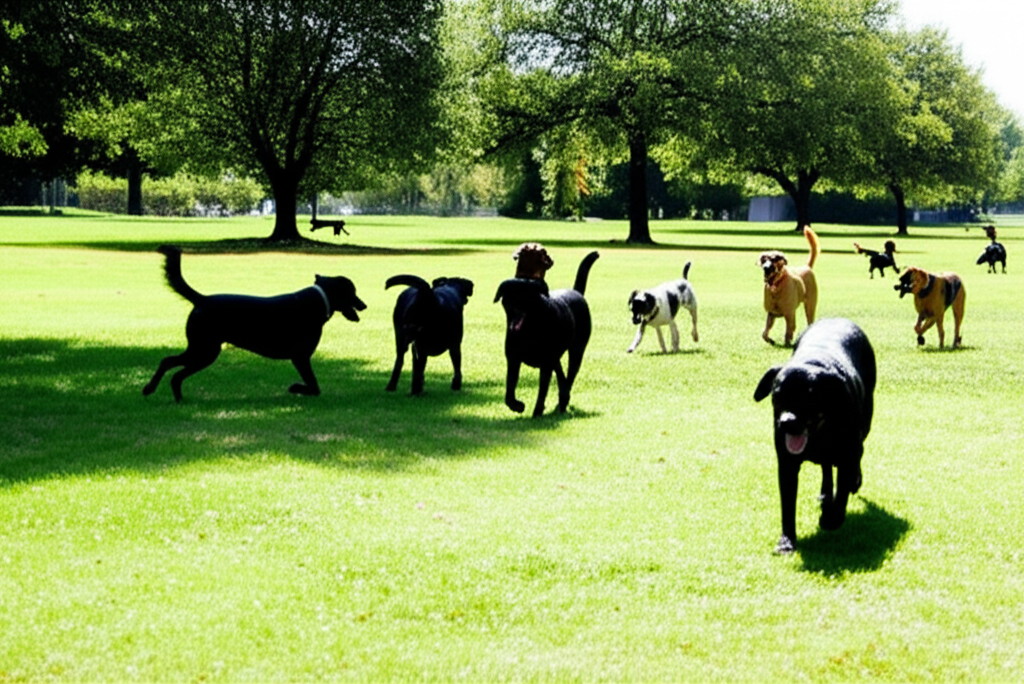
Understanding your dog's behavior begins with delving into the foundational aspects of canine psychology. By grasping the instinctual behaviors and pack mentality that drive much of a dog's actions, you can form a deeper bond with your furry companion and address any behavioral issues more effectively.
### Instinctual Behaviors
At the core of every dog lies a set of instinctual behaviors that have been honed over thousands of years of evolution. These instincts are primal and often surface through actions like hunting, guarding, and playing.
**1. Hunting:** Even if your dog is well-fed and lives in a comfortable home, the instinct to hunt remains a strong part of its behavioral repertoire. This is why dogs often chase squirrels, birds, or even the occasional shadow. Understanding this instinct can help in creating activities that satisfy these natural urges, such as fetch or tracking games.
**2. Guarding:** Dogs have a natural instinct to protect their territory and their pack—which includes you and your family. This guarding instinct manifests in behaviors such as barking at strangers or growling when an unfamiliar person approaches their home or you. Recognizing the intent behind these actions is crucial to managing and training appropriately.
**3. Play:** Play is not just for entertainment. It is a vital part of a dog’s development and socialization. Through play, dogs discover boundaries, learn crucial social skills, and establish relationships within the pack. Encouraging healthy playtime with appropriate toys and activities can strengthen your bond and help quell other potentially problematic behaviors.
### The Pack Mentality
Dogs are inherently social animals and descendants of wolves, creatures well-known for their structured pack environments. Understanding the pack mentality helps in deciphering many canine actions and interactions.
**1. Social Structure:** In the wild, wolf packs are composed of a clear hierarchy led by an alpha. While your domestic dog isn’t a wolf, many of these social structures remain intact. In your home, you are part of your dog’s pack, and it may look to you for leadership and direction. Establishing yourself as a calm, assertive leader can help in various aspects of training and behavior.
**2. Communication:** Dogs communicate within the pack through a combination of vocalizations, body language, and facial expressions. Barking, howling, and whining are vocal forms of communication, while tail wagging, ear positioning, and eye contact are non-verbal cues. By learning to interpret this communication, you can respond appropriately to your dog’s needs and behaviors.
**3. Group Dynamics:** Dogs are happiest and most well-behaved when they feel integrated into a structured group. This doesn’t only mean multiple pets; it means a human-dog partnership when you establish routines and shared activities. Being consistent in feeding times, daily walks, and training sessions can play a significant role in enhancing your dog's sense of security and well-being.
### Conclusion
By developing an understanding of these instinctual behaviors and social dynamics, you can create an environment where your dog feels secure and understood. This section begins our journey through understanding why dogs behave the way they do and lays the groundwork for effective training techniques you'll learn in later chapters. Remember, recognizing a dog’s intrinsic motivations and societal needs is the first step in creating a rewarding relationship based on mutual respect and understanding.